
How to Host a Detective Game Night Your Friends Will Actually Talk About
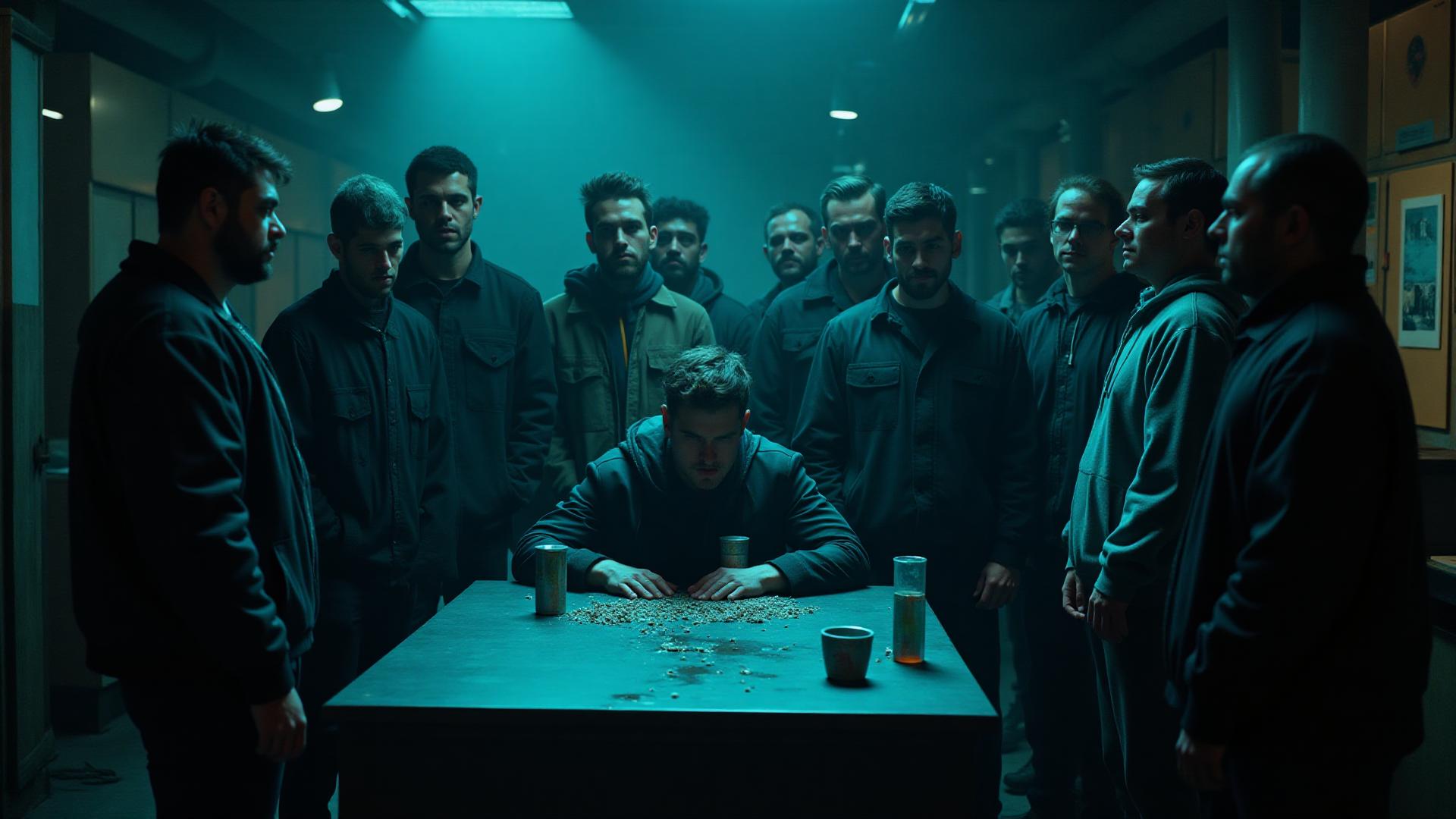
The classic murder mystery dinner has a dirty secret: the host does two hours of prep, half the guests skim their character sheets in the car, and the 'solution' was decided by the script before anyone rang the doorbell. There is another way to run a detective evening, and it needs nothing but a screen, some friends and a case worth arguing over.
Step 1: pick your format honestly
If your group loves acting, buy a party kit and lean into the costumes. But if your group is the kind that argues about plot holes in films and gets competitive over pub quizzes, run an investigation night instead: everyone works the same case, and the argument IS the game. The rest of this guide is for that second kind of evening.
Step 2: one screen beats six
Cast or plug a laptop into the TV and open the case on the big screen. One person drives (rotate every twenty minutes or so), everyone reads the evidence together, and every interrogation question gets debated before it is asked. A case built for about an hour solo stretches beautifully to ninety minutes with a group, because the deliberation is where the fun lives.
Step 3: assign detective roles, not character roles
Instead of giving people fictional characters to perform, give them investigative jobs:
- The Case Officer drives the screen and keeps the group moving.
- The Timeline Keeper writes key times and alibis on a notepad or whiteboard.
- The Devil's Advocate must argue against the group's favourite theory before any big decision.
- The Exhibit Clerk keeps a list of which evidence actually supports which claim.
These jobs keep quieter guests involved without asking anyone to do an accent. The Devil's Advocate is the secret ingredient: groups fall in love with their first theory, and one licensed contrarian saves you from a wrong verdict more often than any single clue.
Step 4: make the verdict a ceremony
Before the final accusation, go around the room: everyone states their culprit, motive and the one piece of evidence they would stake it on. Take a vote. THEN submit. The moment a scored verdict comes back and settles the argument, someone will demand a rematch on the next case. That is when you know the format has landed.
Step 5: theme the table, skip the costumes
Low effort, high atmosphere: dim lamps, a desk lamp pointed at the snacks like an interrogation scene, tea in mismatched mugs, dark chocolate digestives as 'classified rations'. If someone insists on dressing up, a trench coat over pyjamas is entirely in the spirit of the thing.
A sample running order
- 0119:30. Guests arrive, roles assigned, case briefing read aloud on the big screen.
- 0219:45. Evidence review: work through the exhibits, Timeline Keeper scribbling.
- 0320:15. Interrogations: debate each question before asking it.
- 0420:45. Checkpoint deductions and the Devil's Advocate's counter-case.
- 0521:00. Verdict ceremony, submission, scoring, and the inevitable rematch demand.
A Detectively case costs £2, needs zero prep, and one token runs the whole room. Pick your case before Friday.
Start a caseFrequently asked questions
How many people do you need for a detective game night?
With an investigation-style case on one shared screen, anywhere from two to eight works well. Unlike murder mystery party kits, you do not need a minimum headcount, because nobody is performing a character; the group solves one case together.
How long does a detective game night last?
A case designed for about an hour solo typically runs ninety minutes to two hours with a group, because discussion and debate stretch every decision. Budget a full evening with breaks.
Do guests need to prepare anything beforehand?
No. With a browser-based case there are no scripts, character sheets or printing. Guests just turn up; the host needs a screen everyone can see and an internet connection.