
Murder Mystery Games for Date Night, Parties & Team Building
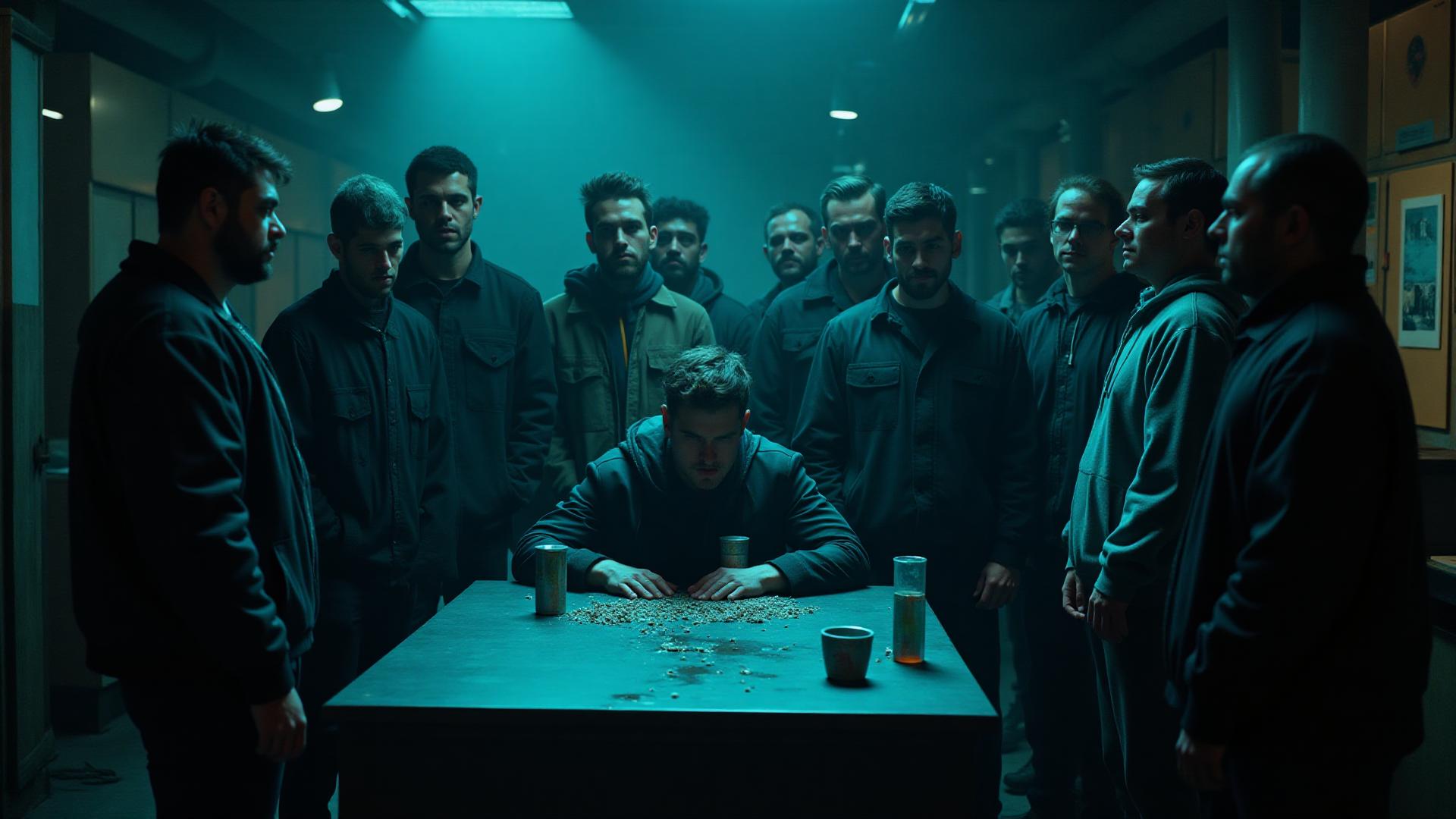
Some of the best evenings come from doing something together rather than just sitting beside each other. That's the quiet magic of a murder mystery game: it gives a group a shared problem to solve, a reason to talk, and a satisfying payoff when the pieces finally fit. Here's why it works so well — for two people or twenty — and how to set one up.
Why a mystery beats the usual night in
- It's collaborative. Everyone's poring over the same evidence, which sparks real conversation instead of parallel scrolling.
- It levels the playing field. You don't need gaming skills — just curiosity — so nobody's left out.
- It has a natural arc. Briefing, investigation, the big accusation, the reveal: a built-in beginning, middle and end that fills an evening neatly.
- It's memorable. 'Remember when we argued for ten minutes about the butler and it was the assistant all along?' beats 'remember that film we watched'.
For date night
A two-person investigation is a brilliant date because it's a team effort with just enough friendly friction. You'll discover how the other person thinks — who's the cautious one, who leaps to conclusions, who actually spotted the clue that cracked it. Pour a drink, share one screen, and talk your way to a verdict together. It's more engaged than a film and less pressured than a quiz.
For parties and game nights
With a group, the fun is in the debate. Project the case on a TV or pass a tablet around, split into theories, and argue it out. The accusation becomes a vote, the reveal becomes the big moment of the night, and the post-mortem (who saw it coming, who got fooled by the red herring) keeps people talking long after.
For team building
Mysteries are quietly excellent for teams because solving one requires the same things good teamwork does: sharing information, listening to a colleague's theory, dividing up the evidence and reasoning together towards a decision. It's collaborative problem-solving disguised as a game — no trust falls required — and it works just as well for a remote team on a video call sharing a screen.
How to host one in five minutes
- 01Pick a browser-based case so there's nothing to print, post or set up — an online game like Detectively works on any laptop, tablet or phone.
- 02Decide your screen: one shared display for a group, or a device each if you want to split the evidence up.
- 03Read the briefing aloud together so everyone starts on the same page.
- 04Investigate as a team — assign people to evidence, suspects and the timeline if you're a larger group.
- 05Vote on the verdict before you submit, then enjoy the reveal and the inevitable 'I knew it!'
That's it. No host to hire, no kit to buy, no months of planning — just a case, a group and an hour. Each Detectively case is self-contained and takes around 60 minutes, which is about the perfect length for a night in.
Plan your next night in around a case.
Start a caseFrequently asked questions
Are murder mystery games good for date night?
Yes — a two-person investigation is collaborative with just enough friendly friction. You solve it as a team, learn how the other person thinks, and get a natural arc to the evening. It's more engaging than a film and less pressured than a quiz, and an online case can be played over a drink on one shared screen.
Can you play an online murder mystery game with a group?
Absolutely. Project the case on a TV or pass a tablet around, split into theories, and debate the evidence. The accusation becomes a group vote and the reveal is the highlight of the night. Browser-based games need no printing or setup, so they work for parties and game nights.
Why are detective games good for team building?
Solving a case needs the same skills as good teamwork: sharing information, listening to others' theories, dividing up the work and reasoning together to a decision. It's collaborative problem-solving disguised as a game, and it works for remote teams too by sharing a screen on a video call.